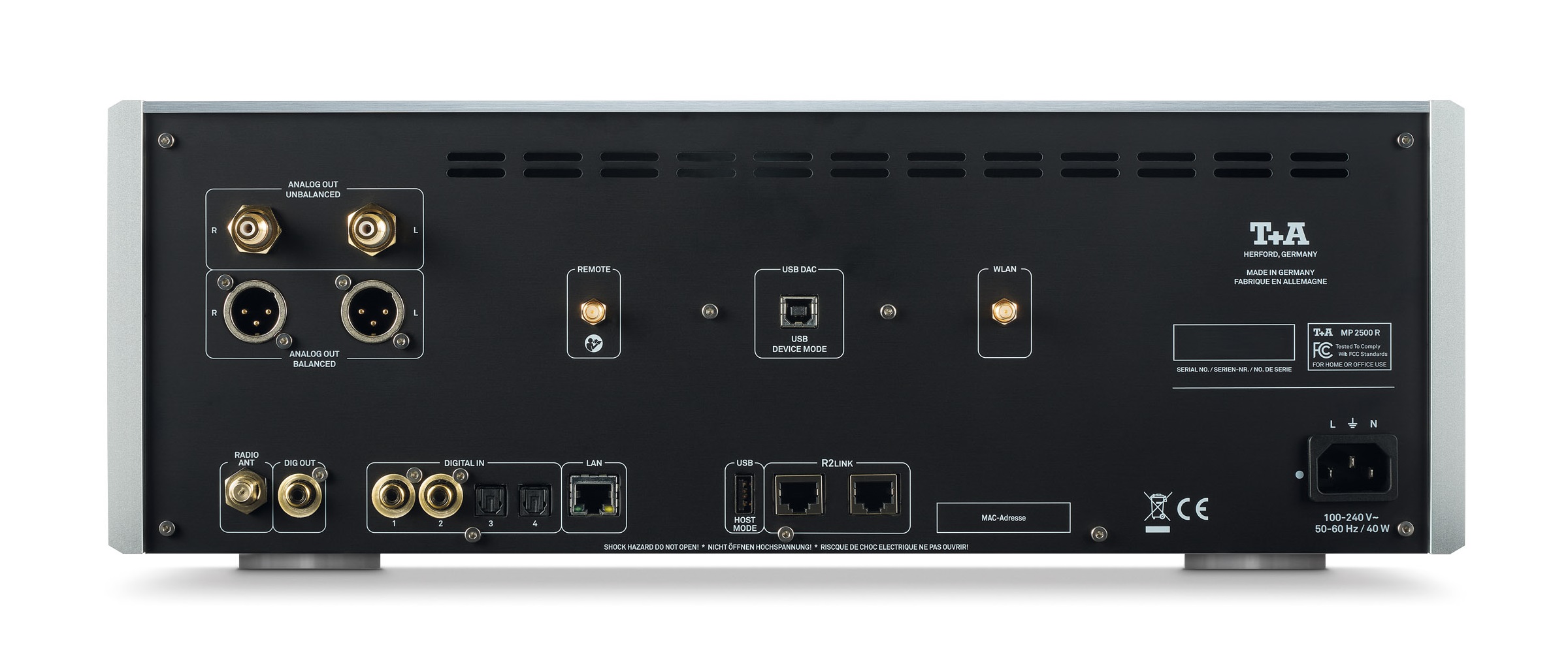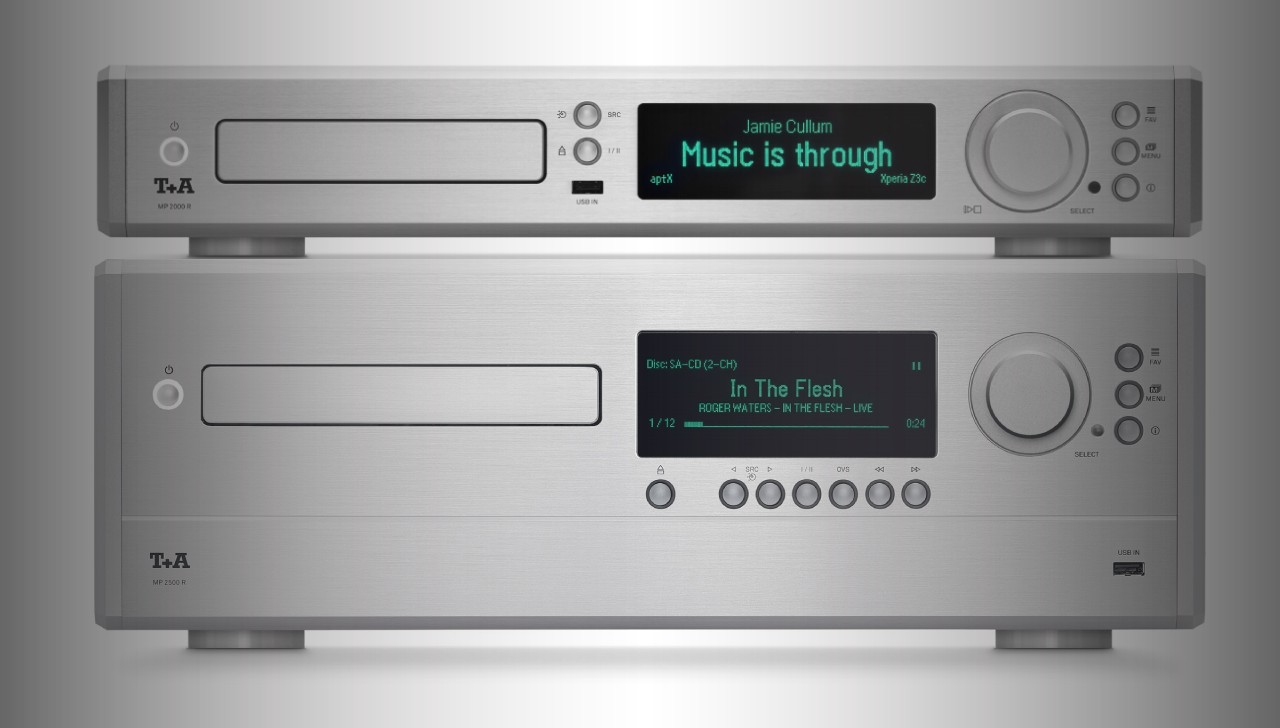
T+A has introduced the MP 2000 R G3 and MP 2500 R G3, two new digital multi-source players for its R Series. More than a routine model-year refresh, the German manufacturer is presenting them as a new generation built around its Audiophile Streaming Architecture G3 (ASA G3): a newly developed hardware-and-software streaming platform intended to bring the company’s players up to date with current streaming services and control methods.
The distinction matters because a network player’s streaming section is no longer simply an optional input board. It determines which services can be accessed directly, how reliably a component joins and remains visible on a home network, which control apps and casting protocols it supports, and whether high-resolution material can be handled in its native form. T+A’s new platform adds Tidal Connect, Spotify Connect and Apple AirPlay 2, alongside access to high-resolution streaming services and native DSD streaming through the player’s streaming client.
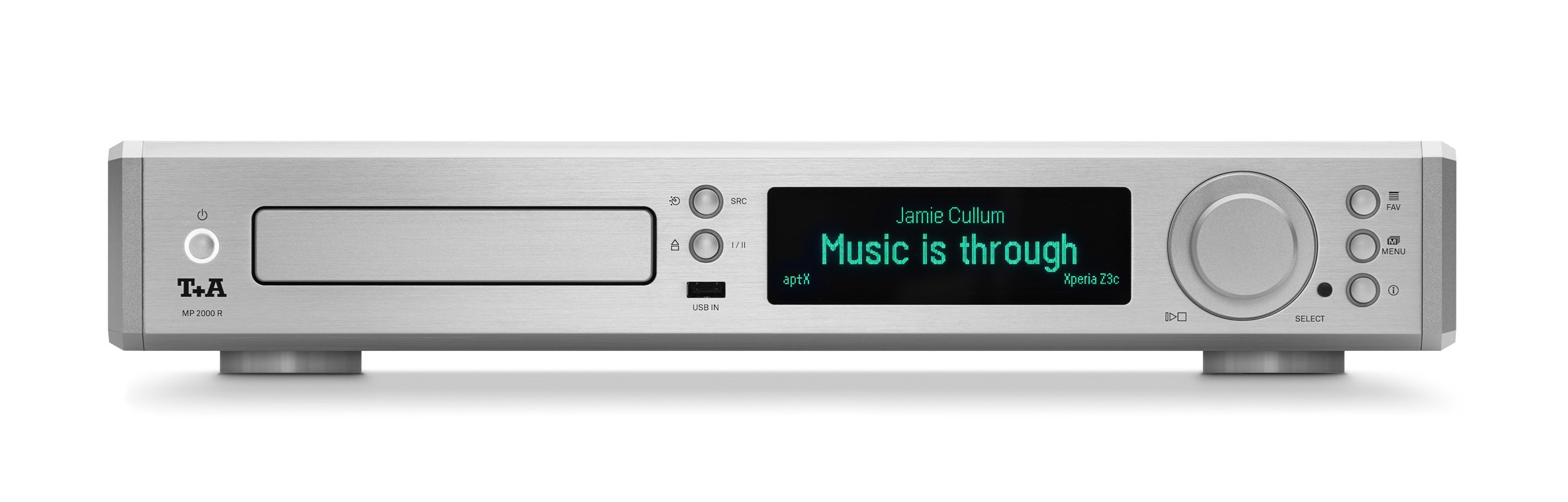
The two models share the same broad digital and streaming ambition, but serve different disc-library requirements. The MP 2000 R G3 incorporates a CD drive, while the step-up MP 2500 R G3 has an SACD drive. Both also retain radio functionality, revised app integration and T+A’s separate digital conversion arrangements for PCM and DSD material.
ASA G3 is the central change
T+A calls the new platform Audiophile Streaming Architecture G3, or ASA G3. In practical terms, it is the network and software foundation of the new players rather than merely an added streaming feature. The company says it combines newly developed hardware with software, and that it is designed to keep the R Series current as streaming services, protocols and device-control expectations evolve.
For an owner, the most immediately useful additions are likely to be the Connect services. Tidal Connect and Spotify Connect allow the respective service’s own app to select the T+A player as a playback destination. Once music has been handed off, the player itself retrieves the stream from the network rather than relying on the phone to continuously transmit the audio. That is generally more convenient than conventional Bluetooth playback and keeps the service’s catalogue, discovery tools and playlists within the app listeners already use.
Apple AirPlay 2 gives Apple-device users a familiar route to the player for music and wider system audio. It is particularly helpful in mixed-use households, where a component may be asked to play music from a subscription service one moment and audio from a phone or tablet application the next. The inclusion of these methods does not make the T+A players dependent on one operating system or one music-service ecosystem.
T+A also says ASA G3 integrates high-resolution streaming services and provides native DSD streaming directly, without conversion, via the streaming client. DSD is a one-bit, very-high-sample-rate digital format used by SACDs and some download and streaming catalogues. Its handling differs fundamentally from PCM, the multi-bit format used for CD and most digital music. A component that preserves a DSD stream rather than converting it to PCM can pass it to a dedicated DSD conversion path as intended by the manufacturer’s design. Whether a particular listener needs that capability will depend on their library and chosen services, but it is a meaningful indication of the platform’s format ambitions.
Two players, differentiated by their optical-disc capability
Multi-source player is an apt description of the MP 2000 R G3 and MP 2500 R G3. They are intended to consolidate several digital roles in a conventional two-channel system: network streaming, disc replay, radio reception and digital-to-analogue conversion. This approach will appeal to listeners who want a serious front end without filling the equipment rack with a separate streamer, DAC, tuner and disc spinner.
The MP 2000 R G3 is the CD-equipped option. It is therefore the more natural fit for a listener with a Red Book CD collection who also wants current streaming functionality in the same full-size component. The MP 2500 R G3 adds an SACD drive, making it the relevant model for collectors with SACD software as well as standard CDs. SACD’s DSD-based layer requires compatible hardware for playback, so this is not simply a cosmetic difference between the two models; it defines the formats that can be played from disc.
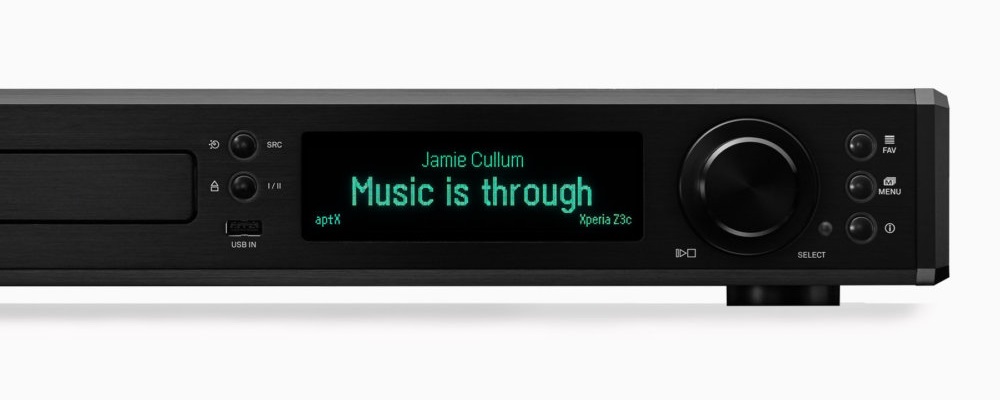
Both machines are part of T+A’s R Series and are offered with anodised silver or anodised black finishes. T+A has not announced pricing at the time of writing. That leaves the eventual price differential between the CD and SACD models, and the broader value proposition against separate streaming and disc-playback components, to be confirmed.
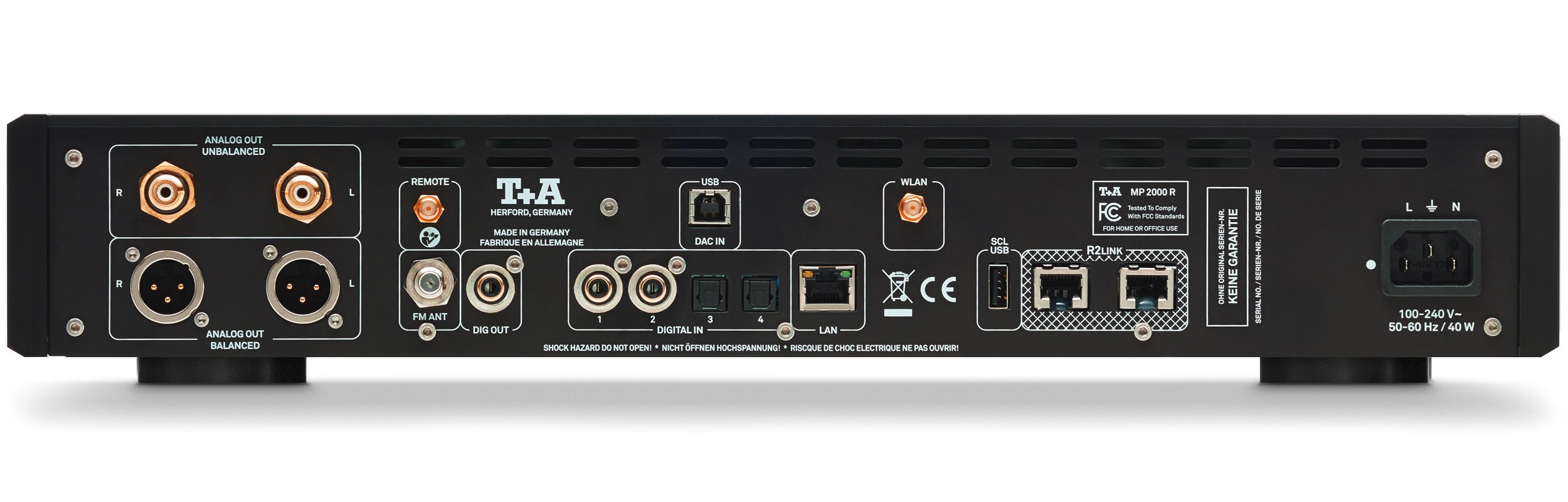
A revised motherboard and closer integration of physical media
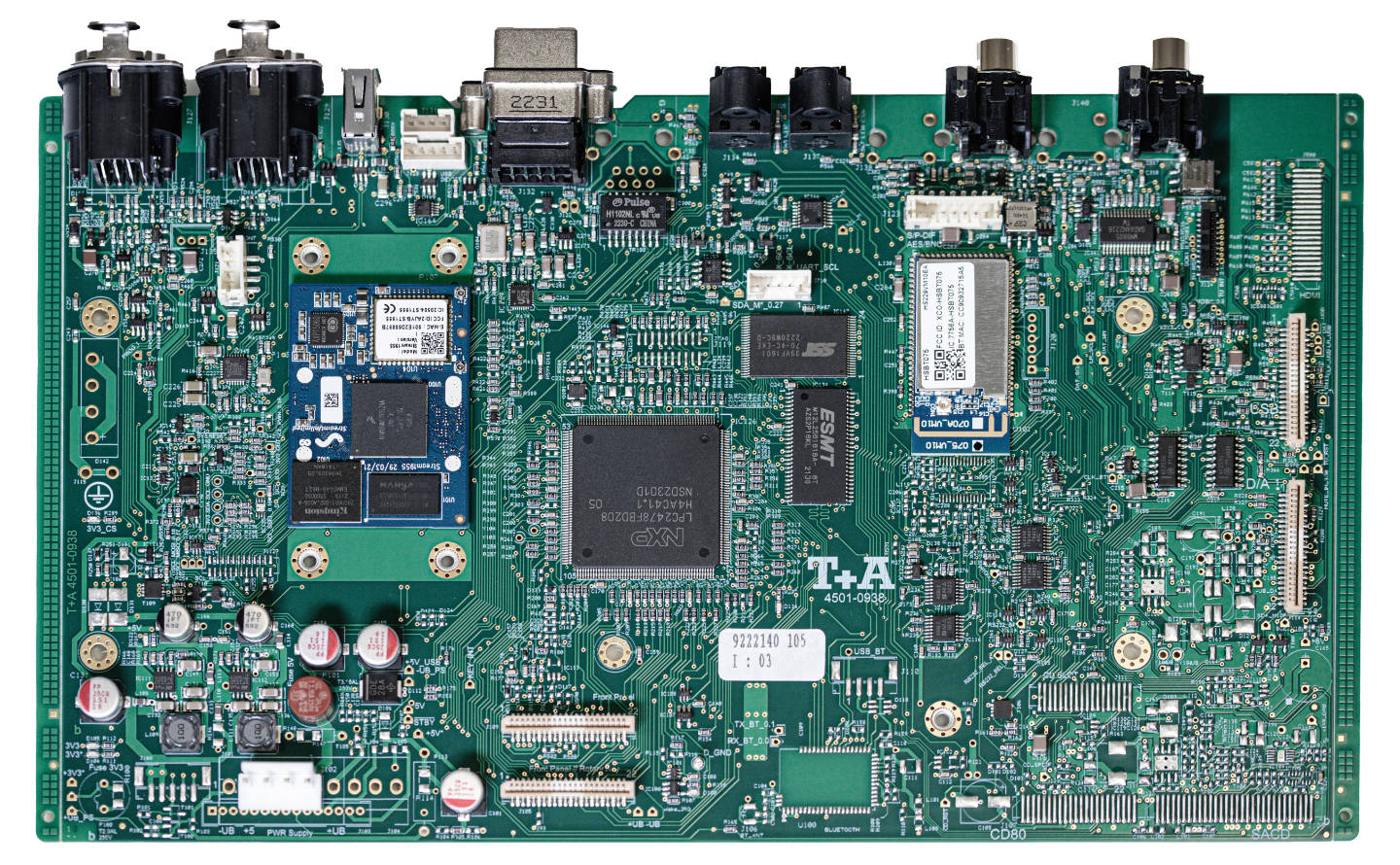
Alongside the new streaming architecture, T+A says its Herford development team has introduced a new motherboard and improved signal processing. The company has not supplied a circuit-level account of the new board, so it would be premature to draw conclusions about its topology or performance. However, a revised central board is significant in a product of this type because it can govern the communication between the disc mechanism, network section, user interface and conversion stages.
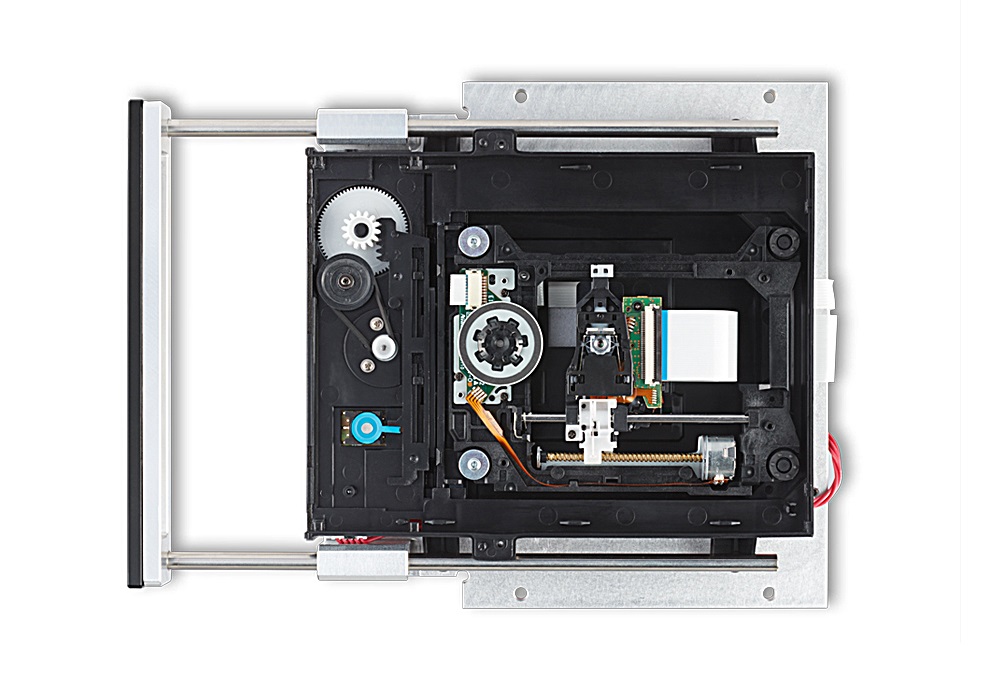
One stated benefit is improved metadata integration. Signals from the CD drive in the MP 2000 R G3 and SACD drive in the MP 2500 R G3 can now provide information including cover art in T+A’s MusicNavigator G3 app through the Gracenote music service. That is a modest but worthwhile ownership improvement: physical media can otherwise feel disconnected from the richly illustrated browsing experience of streaming, particularly when a player’s screen or companion app offers only basic track data.
Gracenote is a music-recognition and metadata service. In this application, it allows the player and app to associate a recognised disc with album-level information and artwork. Its usefulness will naturally depend on the disc being identifiable in the service’s database and on the player having the necessary network connection, but the aim is clear: CD and SACD playback should sit more naturally alongside app-based digital listening rather than operating as a separate, text-only experience.
Separate PCM and DSD conversion paths
T+A says both players use separate, fully optimised True1-Bit DSD and Quadruple PCM DA conversion. The company’s terminology points to an important engineering choice: PCM and DSD signals are not treated as though they are identical data types at the final conversion stage.
PCM and DSD require different processing approaches. PCM represents the audio waveform as a sequence of multi-bit samples, while DSD uses a one-bit stream at a far higher sampling frequency. A manufacturer can convert DSD to PCM internally and then use one common DAC route, or it can provide a separate path intended specifically for DSD. T+A’s stated approach is the latter. In principle, that permits the player to process each format according to its own requirements rather than forcing both through one shared conversion method.
“Quadruple PCM” and “True1-Bit DSD” are T+A’s design descriptions, rather than enough information by themselves to establish an exact chip complement, filter selection or complete signal topology. Those implementation details have not been disclosed in the announcement. What can be said is that the company continues to make format-specific conversion a defining part of these players, and ASA G3’s native DSD streaming gives that DSD route a relevant network source as well as a role with SACD playback on the MP 2500 R G3.
For system builders, the broader lesson is that these are source components intended to feed a serious analogue amplification chain. Their value lies in combining source selection and digital conversion in one chassis. Prospective buyers will still need to check the full connection specification—including the available analogue outputs and digital inputs—against their amplifier, active speakers and any existing external digital sources before choosing one.
Radio remains part of the multi-source brief
Streaming may be the headline development, but T+A has not abandoned broadcast radio. The MP 2000 R G3 and MP 2500 R G3 include a radio tuner, and the company says it delivers the best FM and DAB reception achieved by a T+A device. FM and DAB remain useful in a high-quality system: local radio can offer live programming unavailable from an on-demand service, while a built-in tuner avoids another box and another set of interconnects.
Reception quality is not determined by the tuner alone, however. A suitable aerial installation, local signal conditions and the chosen station all remain important. The announcement does not specify antenna connections, supported DAB variants or tuner performance figures, so buyers with difficult reception conditions should confirm those practical details with a dealer.
T+A frames the combined changes as substantial enough to warrant the G3 designation. In the company’s words: “When the core of a product is newly developed, is it an upgrade or a new product? We believe that the ASA G3 together with the many other small improvements make the MP 2000 R G3 and MP 2500 R G3 so much better that they represent a new generation of the R-series.”
Existing R Series owners can upgrade
Importantly, ASA G3 is not being reserved exclusively for new-product buyers. T+A will offer an upgrade path for owners of the previous MP 2000 R MK II and MP 2500 R. According to the manufacturer, the upgrade includes new hardware for the streaming architecture as well as operating software tailored to each model.
That is a more substantial proposition than a routine firmware update. Network-streaming capability is often limited by the processing hardware and networking platform inside a component, not simply by its software. Replacing the relevant hardware can make it possible to support services and protocols that an earlier platform could not realistically accommodate. It may also extend the useful life of an otherwise well-integrated disc player and DAC, avoiding the need to replace an entire source component solely to gain modern streaming access.
Upgrade arrangements are available through authorised T+A dealers or local T+A representatives. Owners should establish the scope, cost, turnaround time and any model-specific implications directly with those channels, as T+A has not provided those details in this announcement.
Who the new R Series players are for
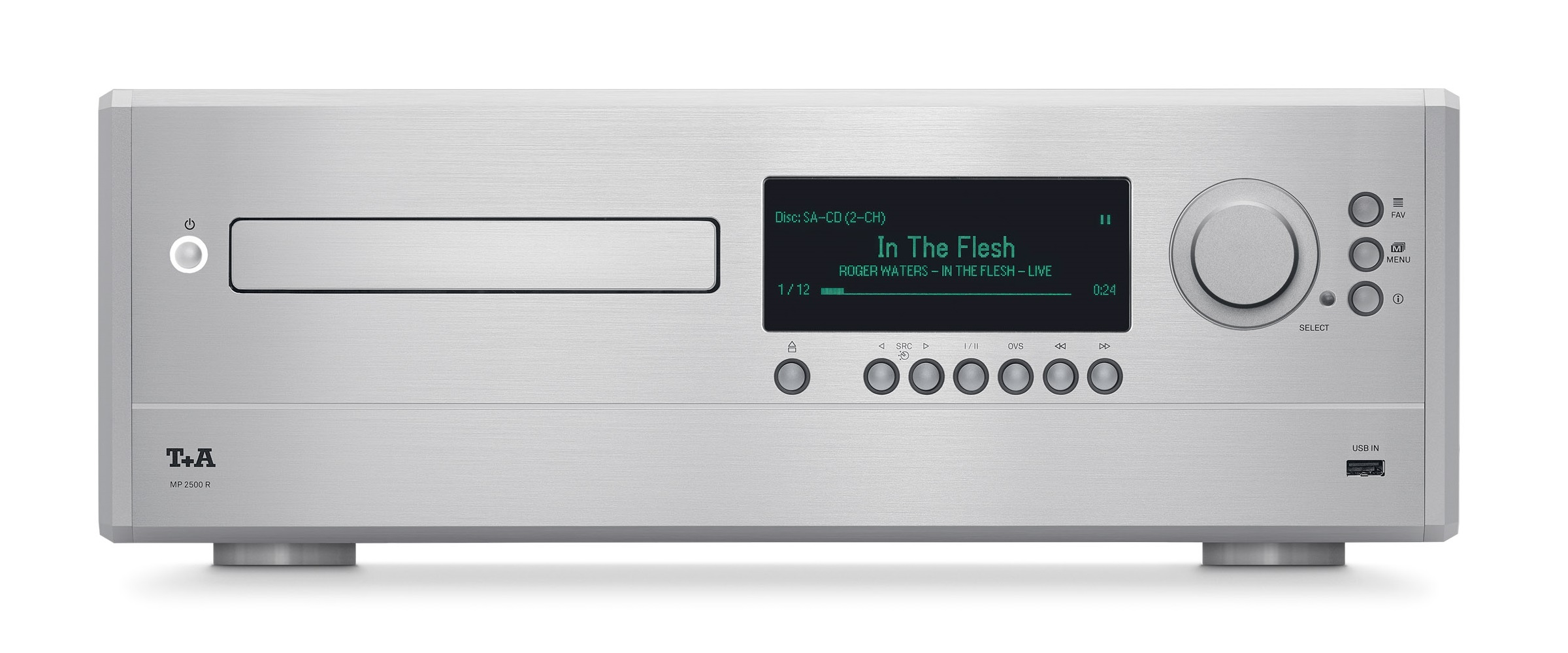
The MP 2000 R G3 and MP 2500 R G3 are aimed at the listener who still values optical media but does not want to treat streaming as an add-on. The MP 2000 R G3 makes most sense where CD remains the core physical format. The MP 2500 R G3 is the logical choice for an SACD collection, particularly for owners who want an SACD-capable player alongside native DSD network playback.
The principal attraction is system consolidation with a reasonably future-conscious streaming platform: current app-based hand-off via Tidal Connect and Spotify Connect, Apple AirPlay 2, high-resolution service support, DSD capability, broadcast radio and disc playback all reside within the same R Series source component. That can simplify operation and reduce the number of separate devices required in a two-channel system.
There are also sensible questions still outstanding. T+A has yet to announce prices, and the supplied information does not set out the full input/output array, network connection options, supported PCM limits, exact service list or detailed DAC configuration. Those will be central considerations for buyers with particular requirements, such as an external TV connection, a computer-audio setup, a substantial local music library or a pre-existing DAC.
On the information available, though, the G3 models are a clear statement of intent from T+A: rather than asking R Series customers to choose between the familiarity of CD or SACD and the convenience of modern network playback, the company is seeking to make both parts of one properly integrated digital front end.